Saturday 10 October 2026
Saturday of week 27 in Ordinary Time
or Saturday memorial of the Blessed Virgin Mary
First Reading
There are no more distinctions: all are one in Christ Jesus
Galatians 3:22‐29
Scripture makes no exceptions when it says that sin is master everywhere. In this way the promise can only be given through faith in Jesus Christ and can only be given to those who have this faith.
Before faith came, we were allowed no freedom by the Law; we were being looked after till faith was revealed. The Law was to be our guardian until the Christ came and we could be justified by faith. Now that that time has come we are no longer under that guardian, and you are, all of you, sons of God through faith in Christ Jesus. All baptised in Christ, you have all clothed yourselves in Christ, and there are no more distinctions between Jew and Greek, slave and free, male and female, but all of you are one in Christ Jesus. Merely by belonging to Christ you are the posterity of Abraham, the heirs he was promised.
Psalm
Psalm 104(105):2‐7
The Lord remembers his covenant for ever.
or
Alleluia.
O sing to the Lord, sing his praise;
tell all his wonderful works!
Be proud of his holy name,
let the hearts that seek the Lord rejoice.
The Lord remembers his covenant for ever.
or
Alleluia.
Consider the Lord and his strength;
constantly seek his face.
Remember the wonders he has done,
his miracles, the judgements he spoke.
The Lord remembers his covenant for ever.
or
Alleluia.
O children of Abraham, his servant,
O sons of the Jacob he chose.
He, the Lord, is our God:
his judgements prevail in all the earth.
The Lord remembers his covenant for ever.
or
Alleluia.
Gospel Acclamation
Lk11:28
Alleluia, alleluia!
Blessed are they who hear the word of God
and keep it.
Alleluia!
Gospel
‘Happy the womb that bore you and the breasts you sucked!’
Luke 11:27‐28
As Jesus was speaking, a woman in the crowd raised her voice and said, ‘Happy the womb that bore you and the breasts you sucked!’ But he replied, ‘Still happier those who hear the word of God and keep it!’
Meditation
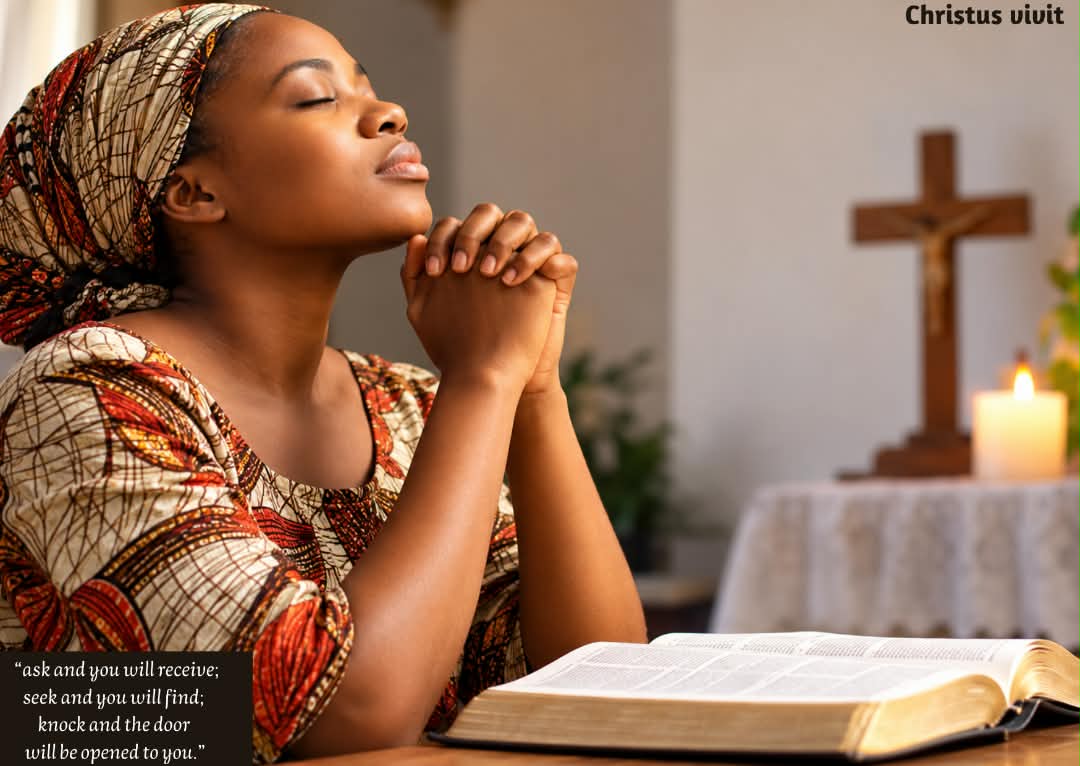
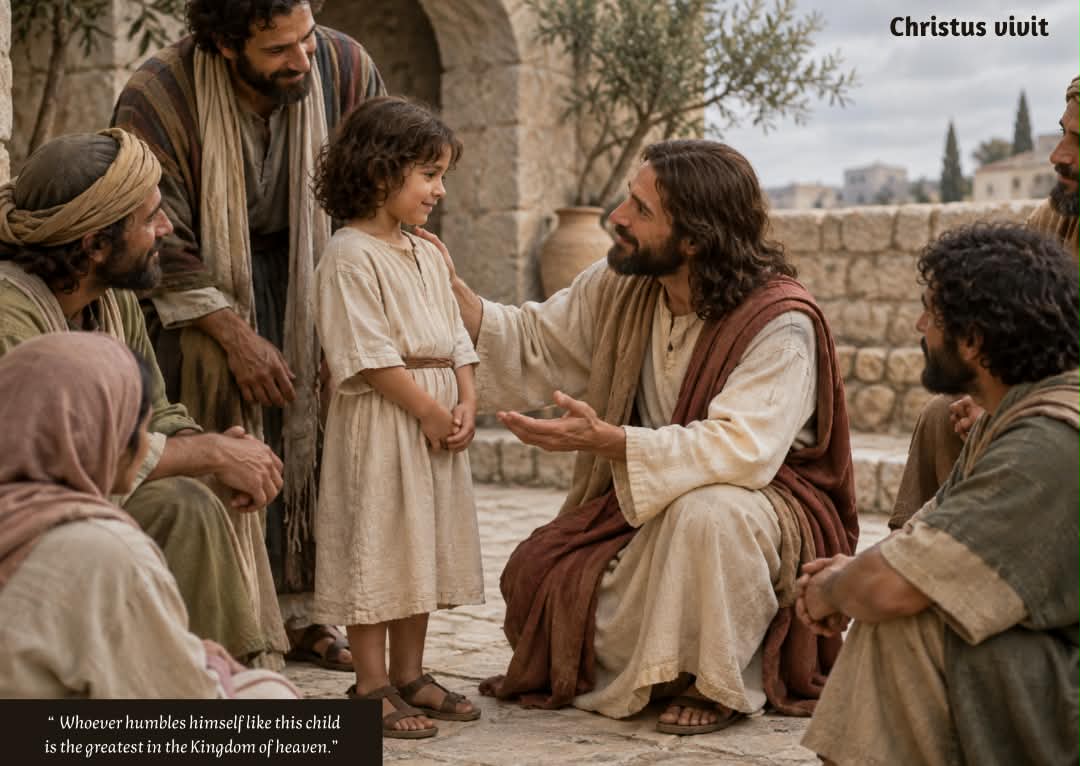
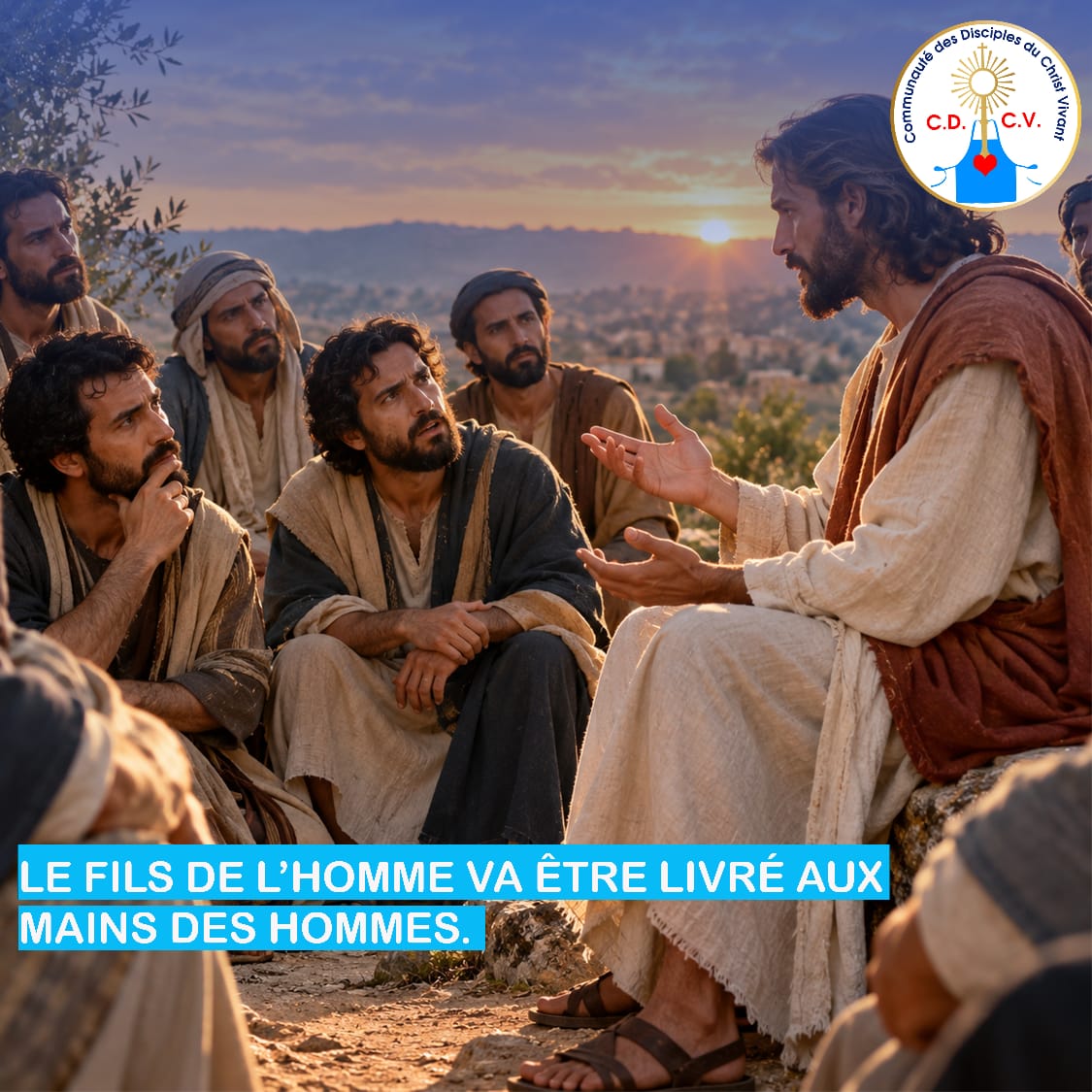
Beloved in the Lord, may God be praised at all times! On this Saturday of the 27th Week in Ordinary Time, the Church invites us to reflect on the way we listen to and receive the Word of God. In the Gospel we have just heard, while Jesus is teaching the crowd, a woman, amazed by his words, raises her voice and exclaims: “Blessed is the womb that bore you and the breasts at which you nursed!” This woman clearly admires Jesus. She is so deeply moved by what she hears that she proclaims blessed the woman who gave birth to him. But Jesus takes this opportunity to teach us a fundamental truth:
“Blessed rather are those who hear the word of God and keep it!” (Luke 11:28) Jesus does not belittle his mother or deny her blessedness. Rather, he reveals the deepest source of true blessedness: faithfully receiving the Word of God. Mary herself is the first model of such faithfulness, for she answered God: “Behold, I am the handmaid of the Lord. May it be done to me according to your word” (Luke 1:38). Beloved, this Gospel teaches us that the Word of God is not merely a beautiful message intended to awaken our admiration or emotions. It is not simply meant to make us appreciate the eloquence of a preacher, the talent of a teacher, or the depth of a homily.
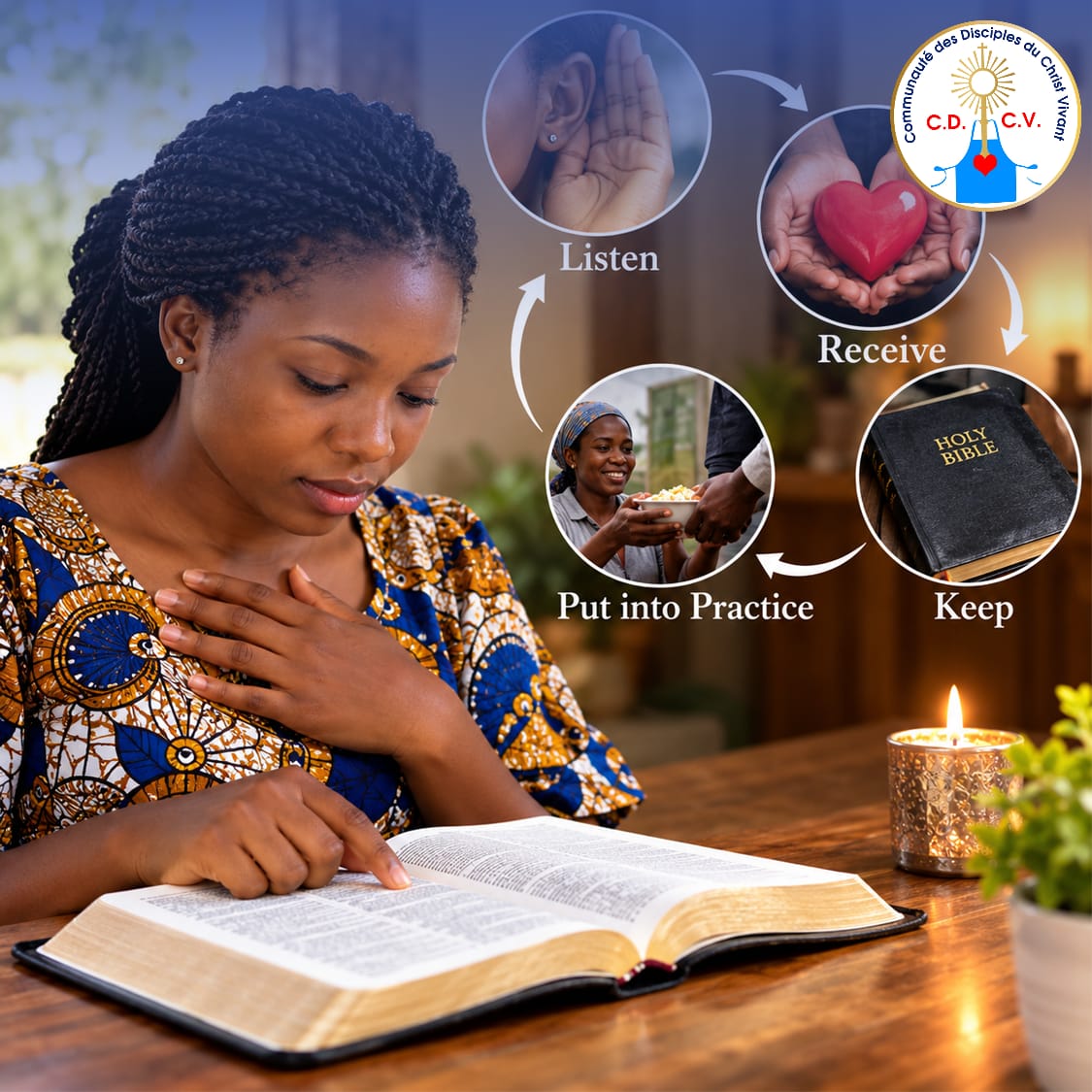
It is given to transform our lives. We can listen to a sermon and leave deeply moved, yet change nothing in the way we live. We can admire the person who proclaims the Word without truly receiving what God asks of us through that person. We can even know many passages of the Bible, quote them easily, explain them to others, and fail to put them into practice ourselves. The true fruit of the Word, however, is measured not only by the emotion it inspires, but by the transformation it brings about in our lives. That is why I would like us today to see our relationship with God’s Word as a spiritual journey with four complementary stages:
LISTEN → RECEIVE → KEEP → PUT INTO PRACTICE.
These four stages help us understand how the Word can travel from our ears to our hearts, and from our hearts into our actions.
Listen: Open our ears to the voice of God
Listening is the starting point of our relationship with the Word of God. To listen is first to make ourselves available to what God wishes to communicate to us. It means accepting silence, temporarily setting aside our concerns, and paying attention to his voice. But there is a fundamental difference between hearing and listening. Hearing is a natural ability. We can hear someone speaking without taking any real interest in what they say. Listening, on the other hand, involves a deliberate choice. It means giving attention to the speaker because we recognize the importance of the message. Beloved, how many times have we heard the Word of God without truly listening?
We attend Mass. We hear the readings. We listen to the homily. Yet our minds are elsewhere. We think about our business, our worries, our plans, or the difficulties awaiting us. Sometimes, even while the Word is being proclaimed, we are already trying to identify the people to whom it should apply. We say to ourselves: “That is exactly what my husband needs to hear!” “If only my wife could listen to this!” “This Word is certainly meant for my neighbour!” But we forget to ask what it says to us personally. The first person to whom I must apply the Word I hear is myself.
At this first stage, the essential question is: “What is God saying to me?”
Receive: allow the word to enter our hearts
Listening does not necessarily mean receiving. We may understand perfectly well what God asks of us without being willing to accept it. This is where the second stage begins. To receive the Word means recognizing that it is addressed to us personally and inwardly consenting to what it asks of us. It is no longer simply a matter of knowing what God says, but of accepting that what he says concerns us. Let us take an example. Jesus asks us to forgive those who have offended us. I can hear this Word. I can understand its importance. I can even give a teaching on forgiveness.
But if, deep within myself, I absolutely refuse to question my desire for revenge, then I have not yet truly received that Word. It has reached my ears. Perhaps it has reached my mind. But it has not yet found a place in my heart. Beloved, receiving the Word requires a willingness to be converted. It means accepting that God may challenge us, question our habits, correct our behaviour, and ask us to give up attitudes to which we are deeply attached. We cannot claim to receive the Word of God while deciding in advance that we will change nothing in our lives. To receive it is to open our hearts and say:
“Lord, even when this Word challenges me, I recognize that it comes from you. Help me make room for it in my life.” At this second stage, the essential question becomes: “Do I personally accept what God is asking of me?”
Keep: Let the Word take deep root
Here we come to a particularly important stage. A Word may be heard and received enthusiastically, then quickly forgotten. This is what Jesus explains in the parable of the sower, particularly when he speaks of those who receive the Word with joy but have no deep roots (Luke 8:13). They begin well, but they do not persevere. Keeping the Word therefore means not allowing it to disappear from our hearts after we have heard and received it. To keep is to preserve. To keep is to meditate. To keep is to deepen our understanding. To keep is to nurture and protect. It means ensuring that the Word of God does not remain a passing religious emotion, but becomes a lasting conviction.
This is precisely the attitude of the Virgin Mary. Saint Luke tells us: “Mary kept all these things, reflecting on them in her heart” (Luke 2:19). Notice that Mary did not always immediately understand the events she experienced. But she kept them in her heart. She meditated on them. She sought to understand their meaning more deeply. She did not allow the events of her spiritual life to vanish from her memory as soon as they had passed. This teaches us an important truth: We do not need to understand everything immediately in order to remain faithful to the Word of God. Keeping the Word also means remaining faithful to it when the circumstances of our lives seem to contradict it.
When we hear God calling us to trust and then face a trial, keeping the Word means continuing to rely on that invitation. When Jesus asks us to forgive, keeping that Word means preserving it in our hearts even while the wound is still painful. When we hear the commandment of love, keeping the Word means not forgetting it as soon as we meet someone difficult to love. Beloved, how many words have we heard since childhood? How many homilies? How many teachings? How many meditations? And how many of these words still truly live in our hearts? It is not enough to have listened to the Word many times. We must also have kept something of it.
At this third stage, the essential question is: “Do I allow God’s Word to take lasting root in my heart, or do I abandon it as soon as it becomes demanding?”
Put into practice: Let the word of God move from heart to action
We now reach the visible outcome of this journey. To put the Word into practice means translating into concrete behaviour what we have listened to, received, and kept in our hearts. The Word of God must not remain only in our minds, memories, or feelings. It must be expressed in the way we live. Saint James warns us: “Be doers of the word and not hearers only, deluding yourselves” (James 1:22). Let us return to the example of forgiveness. A Christian listens to Jesus’ teaching on forgiveness. He receives this demand, meditates on it, and keeps it in his heart. But one day he meets the person who deeply offended him.
What does he do? Now his faithfulness to the Word must become action. He decides not to seek revenge. He refuses to repay evil with evil. He stops deliberately feeding his resentment. When circumstances permit, he may take steps towards reconciliation, without giving up fair and necessary boundaries. The Word he once heard has become a way of life. That is what it means to put the Word into practice. And this practice concerns every area of our lives. When we hear the Word about charity, we must become more attentive to the needs of others. When we hear the Word about truth, we must learn to reject lies.
When we hear the Word about humility, we must struggle against our pride. When we hear the Word about justice, we must strive to act justly in our relationships and work. When we hear the Word about love, we must learn to love in concrete ways. A Word that never changes the way we live risks remaining merely a Word we have heard. Yet we must avoid one mistake: thinking that putting the Word into practice is a stage we complete once and for all. We may forgive today and need to renew that decision tomorrow. We may have been patient yesterday and need to begin again today.
Christian faithfulness is a daily exercise.
From Listening to action: a continuing journez of transformation
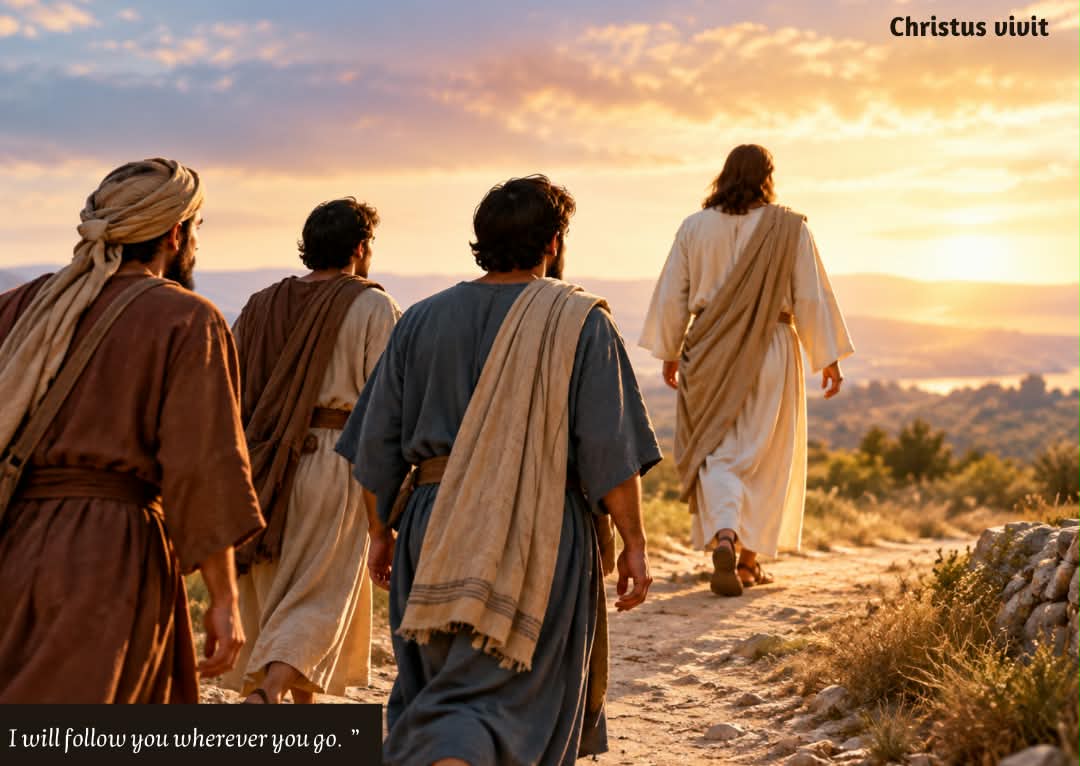
Beloved, we can now understand how these four stages complement one another. Listen: I discover what God asks of me. Receive: I recognize that this request concerns me, and I consent to respond. Keep: I preserve this Word in my heart and allow it to take deep and lasting root. Put into practice: I turn this Word into concrete decisions, behaviour, and actions. But this process is not merely linear. It is also a cycle. By putting the Word into practice, we often discover a depth we did not understand when we first heard it. This discovery leads us to listen again, receive more deeply, keep it more faithfully, and practise it with greater maturity.
This is how our spiritual life grows. Beloved, the woman in the Gospel admired Jesus so deeply that she proclaimed his mother blessed. But Jesus teaches us today that true happiness does not consist merely in admiring the person who proclaims the Word. It consists in receiving that Word and allowing it to transform our lives. Mary is blessed not only because she carried Jesus in her womb, but also because she received the Word of God and remained faithful to it. That is why we can say: The Word we hear must become the Word we live. May our faith not stop at admiration. May it not stop at emotion. May it not stop at knowledge.
May it become a way of thinking, loving, speaking, and acting. For the Word of God truly fulfils its purpose in our lives when it passes from our ears to our hearts, and from our hearts into our actions.
Let us pray
God our Father, we bless you for the gift of your Word, a light for our path and nourishment for our spiritual lives. Through Jesus Christ, your Son, teach us to listen to your voice amid the many voices competing for our attention. Free us from distraction, superficiality, and indifference. Give us hearts ready to receive what you ask of us, even when your Word challenges our habits and behaviour. Following the example of the Virgin Mary, teach us to keep your Word in our hearts, meditate on it faithfully, and allow it to bear fruit. Do not let us be merely admiring listeners to your Word.
Make us disciples who put it into practice. May our words become more truthful. May our behaviour become more just. May our relationships become more fraternal. May our decisions be increasingly guided by your Gospel. And when we fail to live what we have heard, give us the humility to recognize our weakness and the courage to begin again. May your Word gradually transform our whole existence. Through Jesus Christ our Lord. Amen.
Intercession
Lord Jesus, you are the living Word of the Father. Today we entrust to you all who listen to your Word and all who are called to proclaim it. We pray for preachers, priests, catechists, and everyone who teaches the Gospel: help them to live the Word they proclaim. We pray for Christians who regularly hear the Word but struggle to change their lives: open their hearts to genuine conversion. We pray for those who received your Word enthusiastically but became discouraged by difficulties: renew their faithfulness and perseverance. We pray for Christian families: may your Word inspire the relationships between spouses, the upbringing of children, and the way conflicts are resolved.
We pray for those wounded by the inconsistency of some Christians: help them not to confuse human weakness with the truth of your Gospel. We pray for all who sincerely seek to understand the Scriptures more deeply: give them understanding hearts and the desire to put into practice what they discover. Finally, Lord Jesus, we entrust each one of us to you. Do not let us remain mere admirers of your teaching. Make us disciples who listen to you, receive you, keep your Word, and put it into practice. Jesus, living Word of the Father, transform our hearts and guide our actions. Amen.
Spiritual exercice
The exercise of turning the word into action
Today, let us put the four stages of our meditation into practice.
1. Listen
Take five minutes to read today’s Gospel slowly (Luke 11:27–28). Be still and ask yourself: “Lord, what do you want to say to me personally through this Word?”
2. Receive
Identify one attitude in your life that this Word invites you to change. Humbly acknowledge this call before God and say: “Lord, I accept that this Word concerns me. Help me respond to it.”
3. Keep
Choose one sentence from the Gospel to carry with you throughout the day. You may choose: “Blessed are those who hear the word of God and keep it!” Repeat it quietly to yourself several times.
4. Put into practice
Before the day ends, perform one concrete action inspired by the Word you have meditated upon. You might ask for forgiveness, give up a bad habit, help someone, tell the truth in a difficult situation, or fulfil a duty you have neglected. What matters is that the Word you have heard produces a visible action in your life today. In the evening, before going to sleep, make a brief examination of conscience: “Lord, today did I merely listen to your Word, or did I truly put it into practice?” If you discover that you did not succeed, do not lose heart. Ask for forgiveness and begin again tomorrow.
For faithfulness to the Word is built day by day. My resolution : Today, I will not be content merely to listen to the Word of God. I will receive it into my heart, keep it faithfully, and turn it into a concrete act of love.
André KAMTA SABANG
Community of the Disciples of the Living Christ